Trade covers buying and selling across borders at small scale: sourcing and supplier vetting, customs documentation, duties and tariff classification, freight costs, payment terms and currency exposure. Articles track how a rule change alters landed cost on a specific shipment. For owners already importing and those pricing their first order.
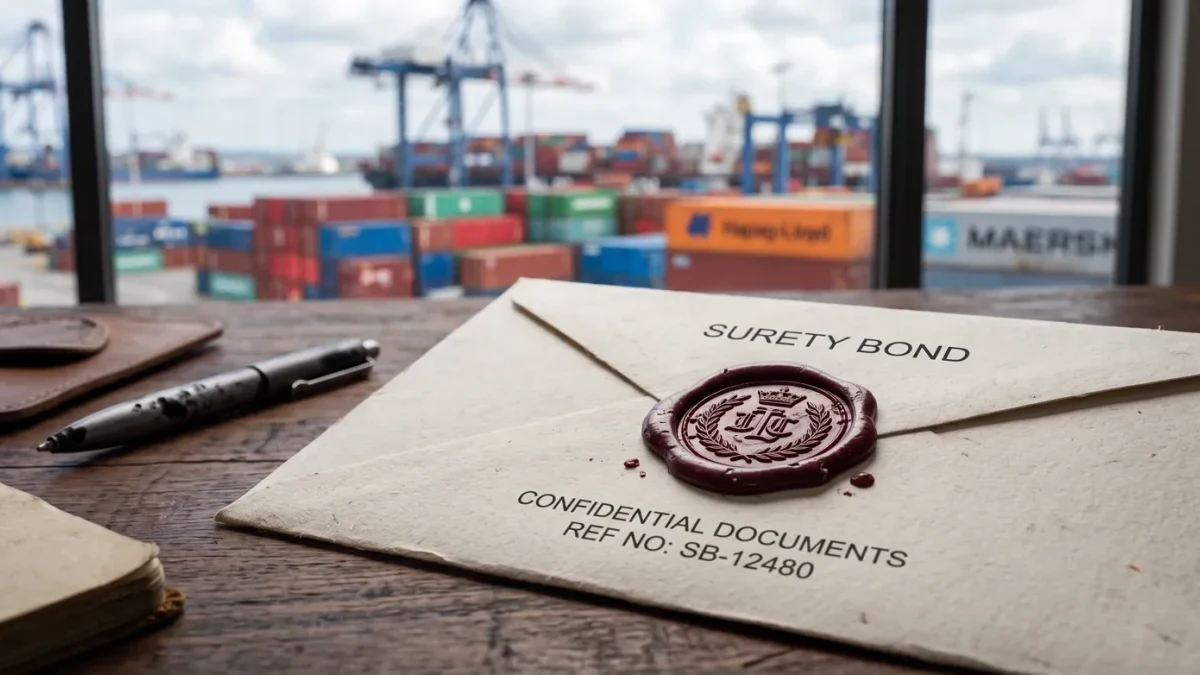
An import bond is a guarantee to Customs that duties and penalties will be paid — required for most commercial entries, sized by duty volume, and cheaper to arrange than to be caught without.
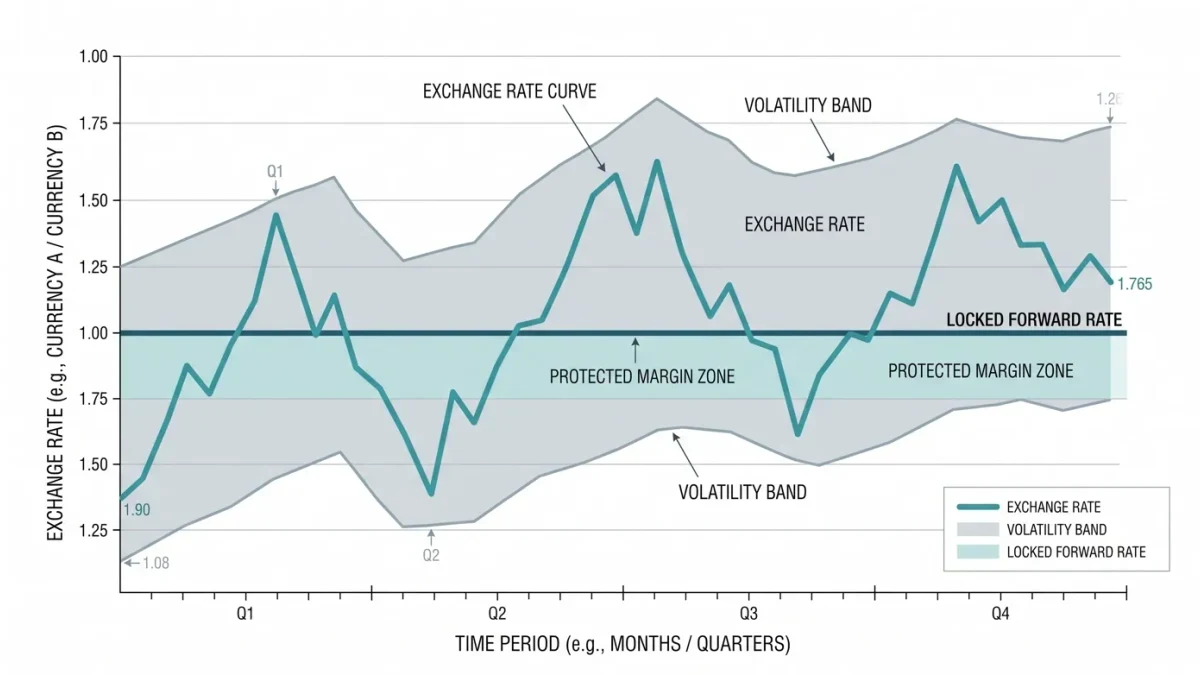
A foreign-currency invoice is an unhedged position — and the cheap fixes, invoicing in dollars, forwards, and matching, cost less than one bad exchange-rate month.
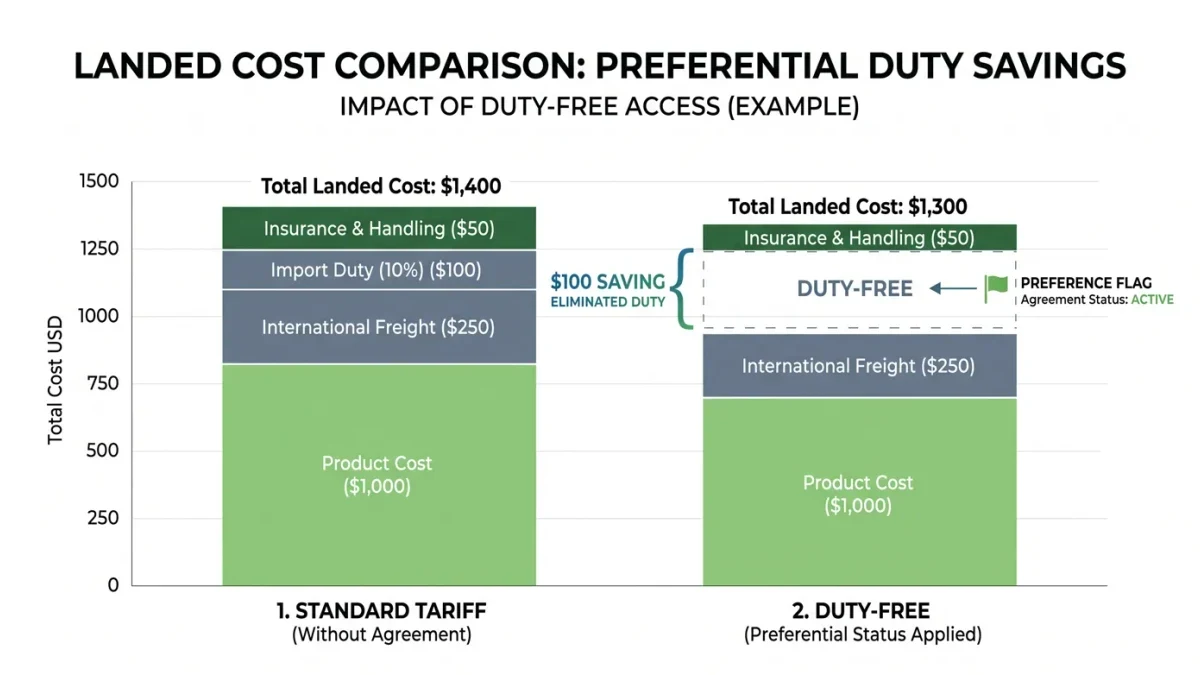
The United States maintains more than a dozen free trade agreements covering goods entry at zero or reduced duty — but the discount applies only to products that qualify and shippers who claim it.
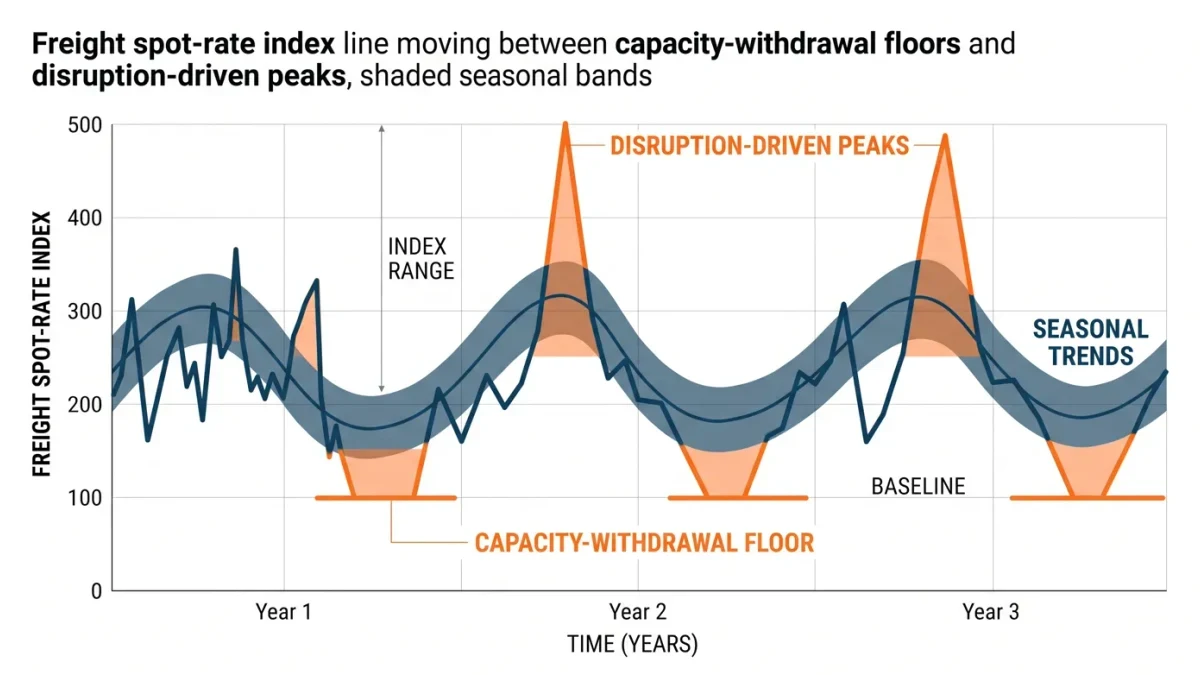
Container rates swing by multiples in a year because capacity, demand, and events move separately — shippers who understand the mechanics buy better than those who just renew.
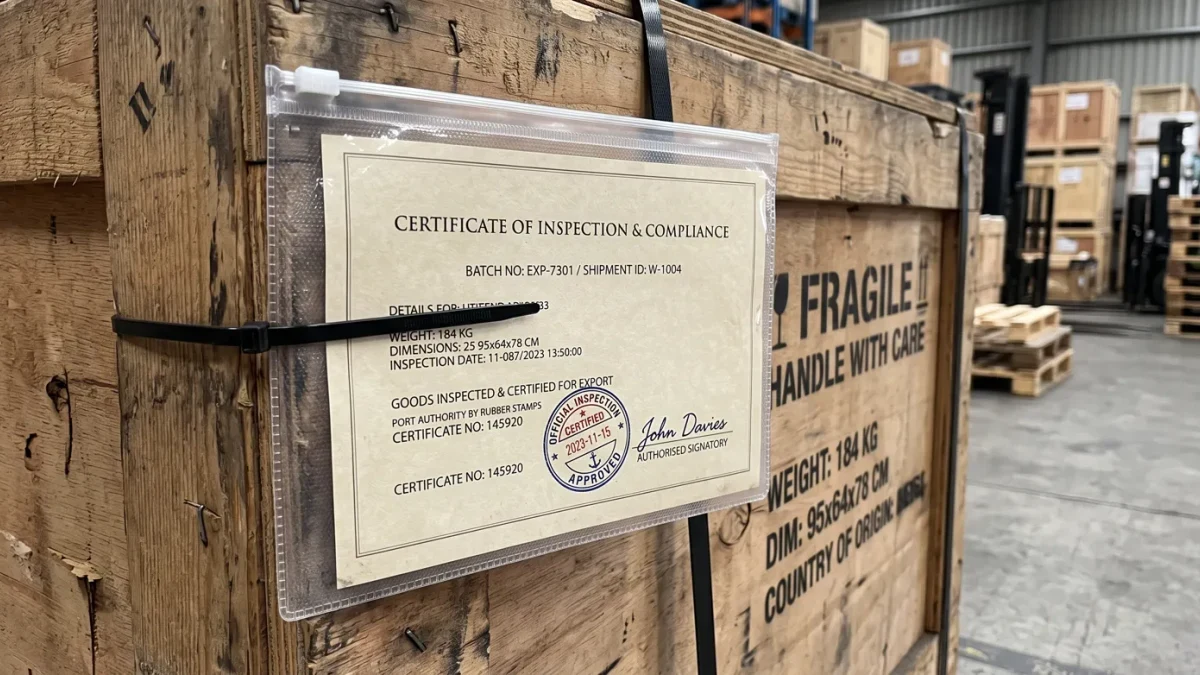
A certificate of origin attests where goods were produced — not where they were bought or shipped from — and the wrong one turns a duty-free shipment into a dutiable one.