A small exporter hedging currency risk has three practical tools — invoicing in dollars to shift exposure to the buyer, forward contracts to lock a rate on known receivables, and natural matching of foreign-currency revenues against costs — and the discipline matters because a single currency move can erase the entire margin on a foreign contract. The swing is not theoretical: major currency pairs routinely move five to ten percent within a year, which against typical small-export margins of ten to twenty percent makes exchange rate the second-largest line in the deal. This article explains the exposure and the fixes in small-business terms.
Where Exactly Is the Exposure?
Currency risk appears the moment price and payment sit in different currencies, and it begins before shipment: a quote issued in euros for delivery in ninety days locks the seller into that euro amount regardless of where the rate moves before payment clears. If the dollar strengthens ten percent against the euro in the interim, the exporter's dollar-equivalent revenue falls ten percent — often the whole profit. The exposure has three time shapes: quotation risk (from quote to order), contract risk (from order to shipment), and transaction risk (from shipment to payment clearing). Each can be managed, but only if the exporter recognizes that the clock starts at the quote, not at the invoice.
What Does a Forward Contract Do?
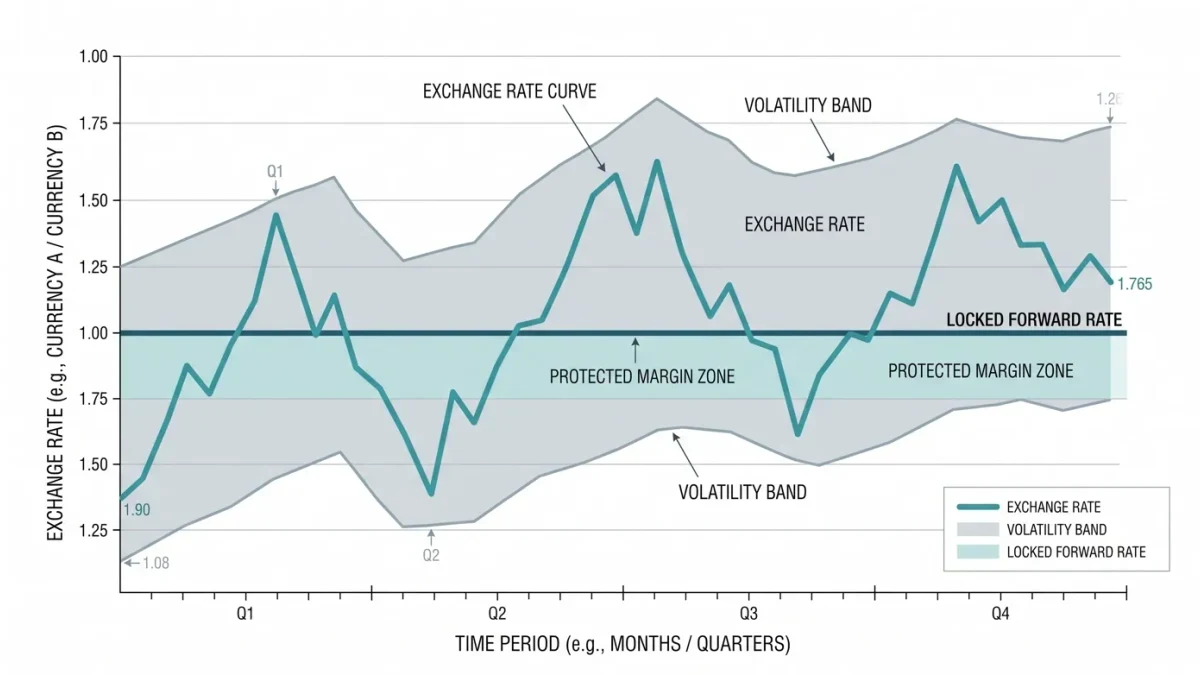
A forward is an agreement to exchange a currency amount at a fixed rate on a future date — offered by commercial banks to business customers, typically without upfront premium, with the bank's compensation built into the forward rate's spread. An exporter expecting 100,000 euros in sixty days sells 100,000 euros forward at today's quoted sixty-day rate; when payment arrives, the exchange happens at the locked rate regardless of where the market went. The cost is the spread between the forward rate and the mid-market rate, usually a fraction of a percent for liquid currencies at business sizes. The classic objection — "what if the rate moves in my favor?" — misreads the product: a forward is not a bet on direction but a fixed price for certainty, the same logic as fixing a commodity input price. Forwards require a credit line with the bank and are contracts, so a customer who pays late or defaults can leave the exporter with an open position; window forwards or flexible-date products address that at slightly wider spreads.
What Are the Simpler Alternatives?
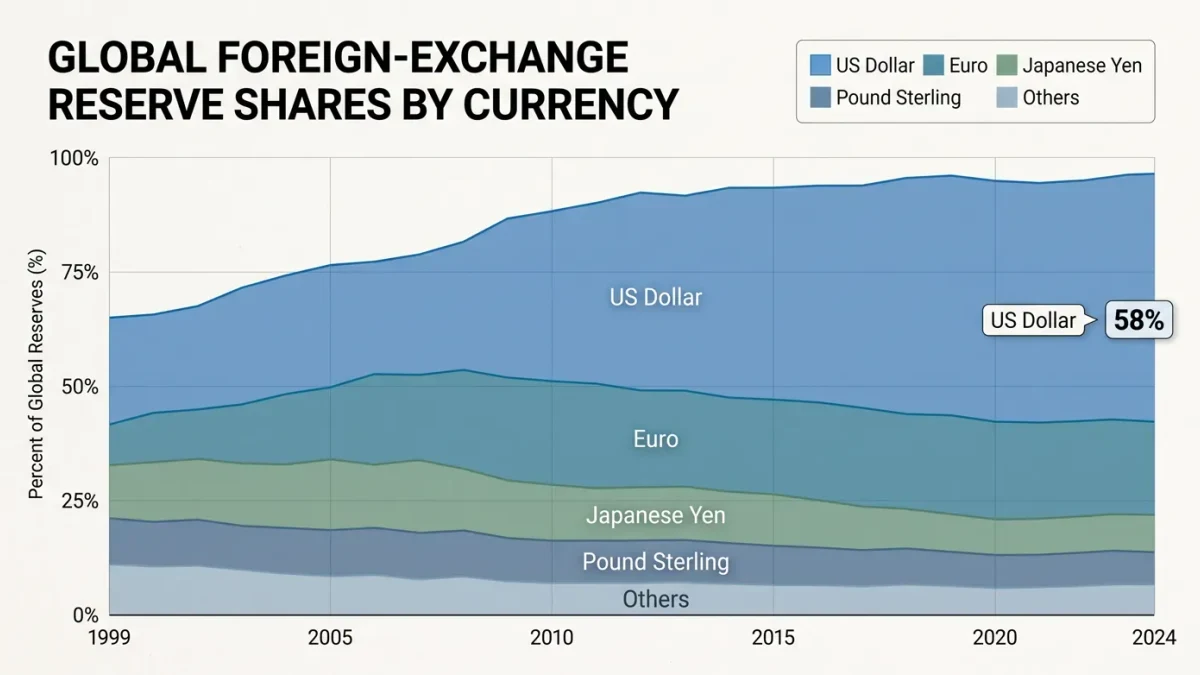
Not every exposure needs a derivative. Invoicing in dollars moves the risk to the buyer — simple and common for U.S. exporters, though it prices American goods higher when the dollar strengthens and may cost competitiveness against local-currency quoting competitors. Natural hedging matches currencies on both sides of the balance sheet: an exporter with euro revenues sources components from a euro-zone supplier, or borrows in euros, so the flows net. Price adjustment clauses build a band into the contract — rates moving beyond an agreed range trigger repricing — which shares rather than eliminates risk and only works with cooperative repeat buyers. Leading and lagging — timing receipts and payments to anticipated moves — is a tactic rather than a hedge and should never substitute for one on large exposures.
How Should a Small Firm Set Policy?
A one-page policy beats improvisation: define which exposures get hedged (for example, foreign-currency receivables above a set amount or a set percent of monthly revenue), what fraction (many firms hedge fifty to one hundred percent of known exposures), with which instruments (forwards for known amounts, dollar invoicing for small or one-off deals), and who at the bank executes. Review quarterly. The consistent finding from small-exporter experience: firms with a written policy stop relitigating each invoice and stop gambling on rate direction accidentally — which is the actual risk, because an unhedged receivable is a currency position whether the owner chose it or not. The lesson: treat exchange rate like any other input price — quoted, fixed where practical, and never left to luck on the company's whole margin.