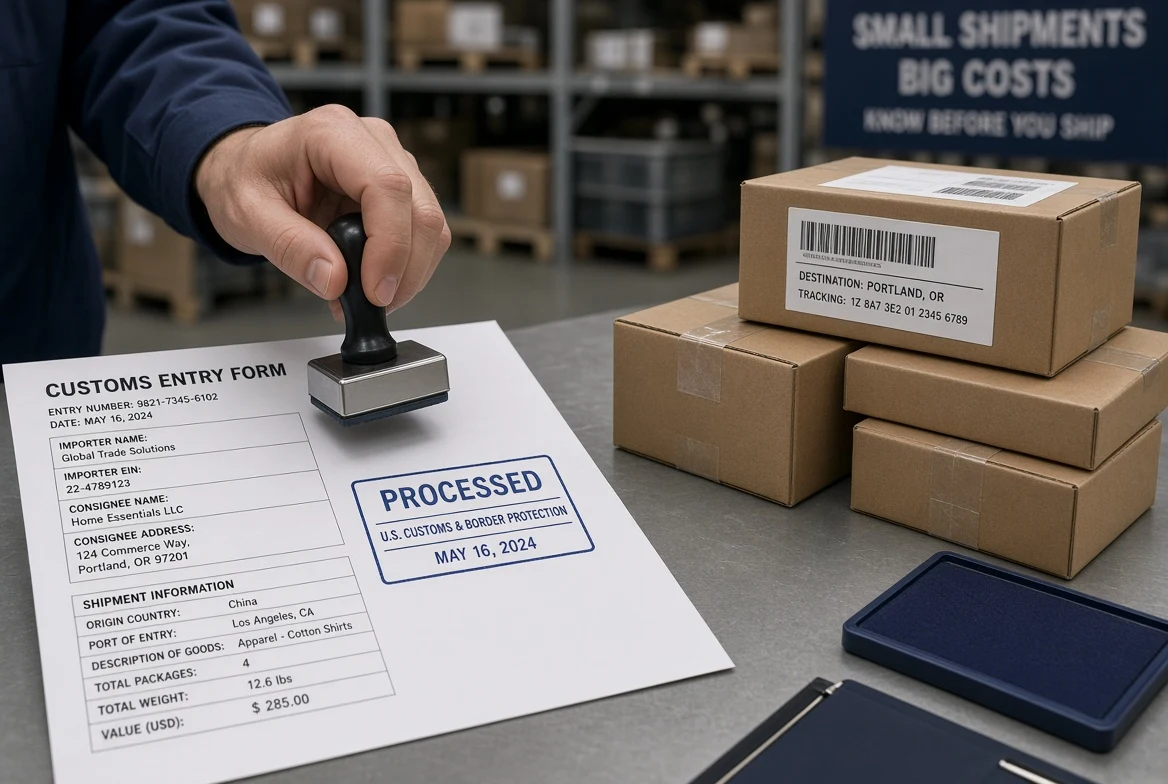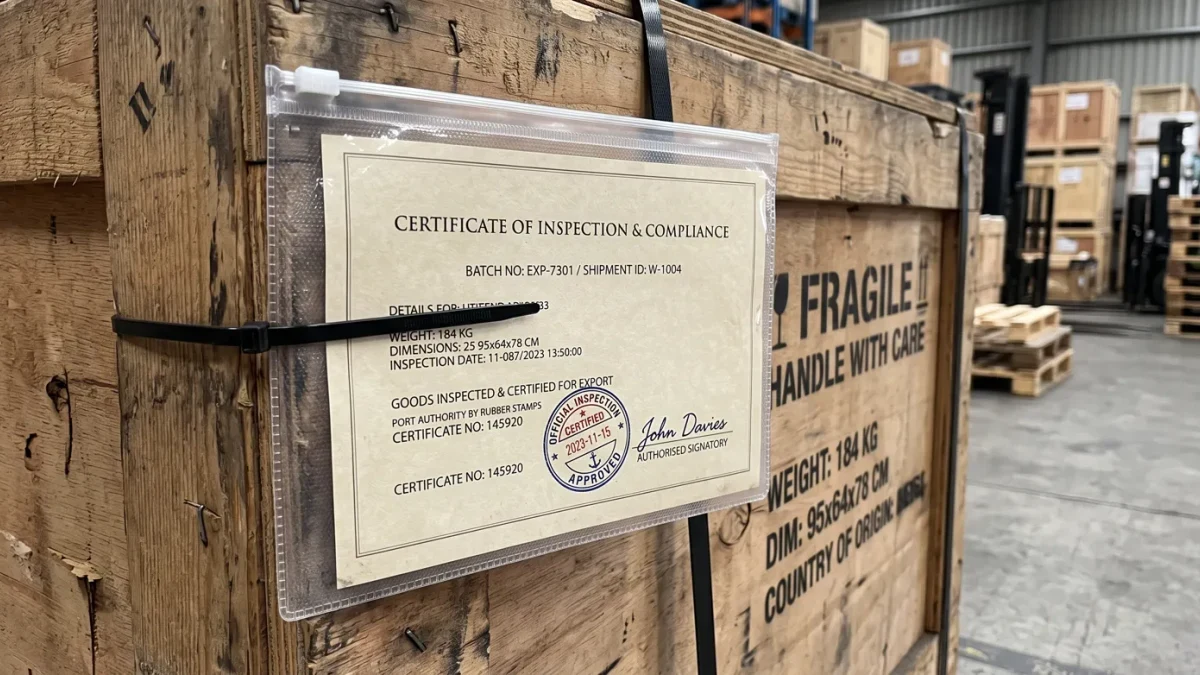
A certificate of origin is a document attesting the country where goods were actually produced, and it matters because duty rates, trade-agreement preferences, quotas, and regulatory treatment all attach to origin — not to where a shipment departed or who sold it. U.S. Customs and Border Protection processes two broad kinds: non-preferential certificates, which state origin for marking, quota, and most-favored-nation duty purposes, and preferential certifications, which claim reduced or zero duty under a free trade agreement like USMCA. Importers who present the wrong kind, or the right kind carelessly, pay the difference: preference denied, entry re-rated, and in serious cases penalties for negligent claims. This article separates the concepts.
What Is the Difference Between Origin and Shipment?
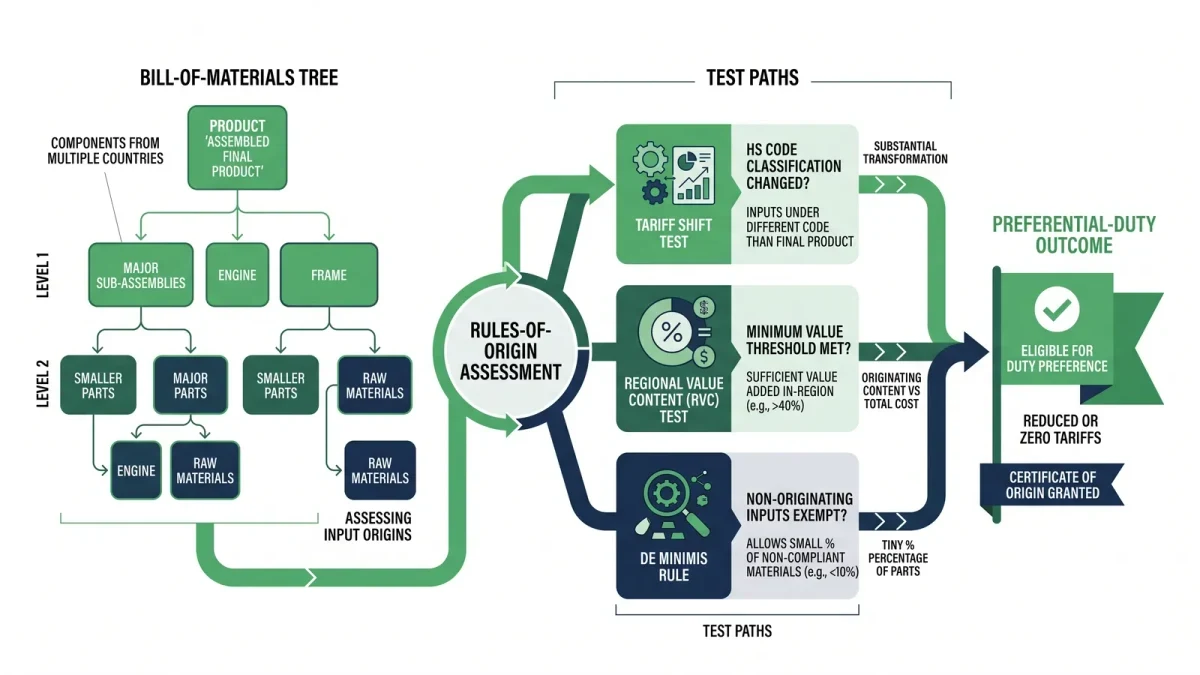
The confusion that costs money is between where goods traveled and where they originated. Goods bought in Hong Kong but manufactured in Vietnam are Vietnamese in origin. Goods warehoused in Germany but made in China remain Chinese. Origin is determined by production: where the article was wholly grown, extracted, or manufactured, or — for goods with inputs from multiple countries — where the last substantial transformation occurred, the standard non-preferential test applied by customs authorities. Substantial transformation means a real manufacturing change: assembling Chinese components into a finished machine in Mexico can confer Mexican origin if the assembly creates a new article with a new name, character, or use; repacking, sorting, or blending generally does not. Merchants who assume the export country is the origin country discover the error at entry, when the duty rate attached to the true origin applies.
How Do Preferential Certifications Differ?
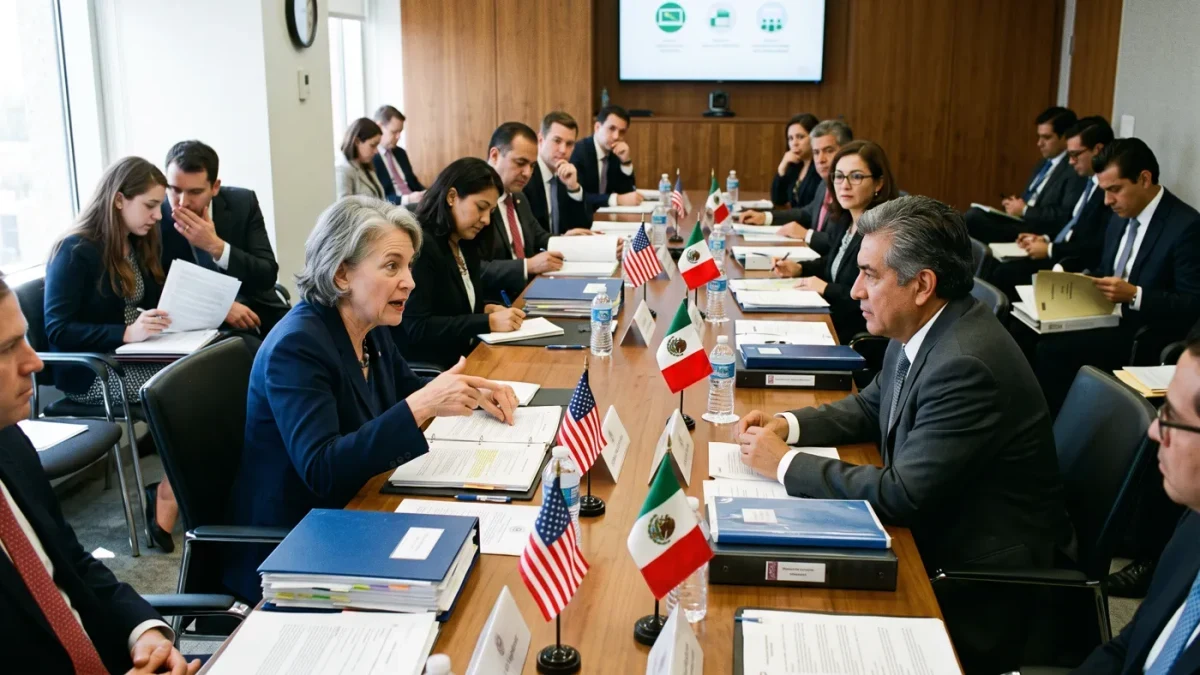
A preferential certification claims more than origin — it claims eligibility for special treatment under a specific agreement, and each agreement defines eligibility through its own rules of origin, usually stricter than substantial transformation. USMCA, for instance, requires tariff shifts or regional value content; the U.S.-Korea agreement and others have their own product-specific tests. The certification is issued by the exporter, producer, or importer (under USMCA's flexible format), and the signer takes on responsibility for the claim's accuracy — meaning the signer needs the bills of material and supplier declarations to back it, not just confidence. Preference claims can be verified years later by customs, and unsupported claims convert a duty-free history into a duty-plus-penalty bill. Chambers of commerce, which issue non-preferential certificates for many destinations, do not certify FTA preference; exporters needing both documents should not substitute one for the other.
How Do Exporters Support an Origin Claim?
The documentation discipline is the same in both regimes. Maintain a bill of materials tracing each input's origin, collect supplier declarations for purchased components, record the manufacturing steps performed in each location, and retain the analysis showing how the legal test is met — substantial transformation for non-preferential, the agreement's rule for preferential. Keep the file for the retention period the destination or agreement requires, typically five years for USMCA support. When inputs or processes change, redo the analysis; origin is a fact about today's product, not a permanent attribute of the part number. And when a customer asks for a certification the product does not honestly support, the correct answer is a refusal — the customer's duty savings never justify the signer's liability for a false claim.
What Are the Common Failure Patterns?
Four recur: certifying the ship-from country as origin; issuing an FTA certification without the underlying qualification analysis; copying last year's certificate after a sourcing change; and assuming a chamber stamp confers preference. Each ends the same way — entry corrected, duty reassessed, and the exporter or importer of record holding the exposure. The lesson: the certificate is not a formality attached to the invoice; it is a signed statement about where value was created, and its accuracy is what the entire duty structure stands on.