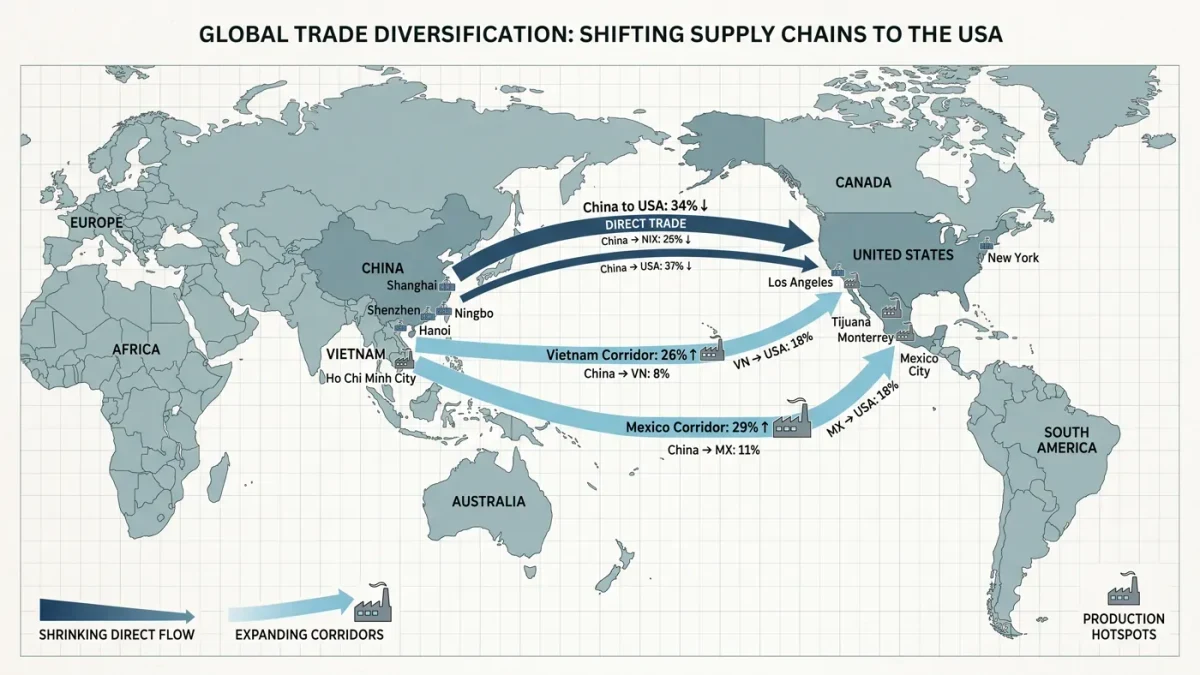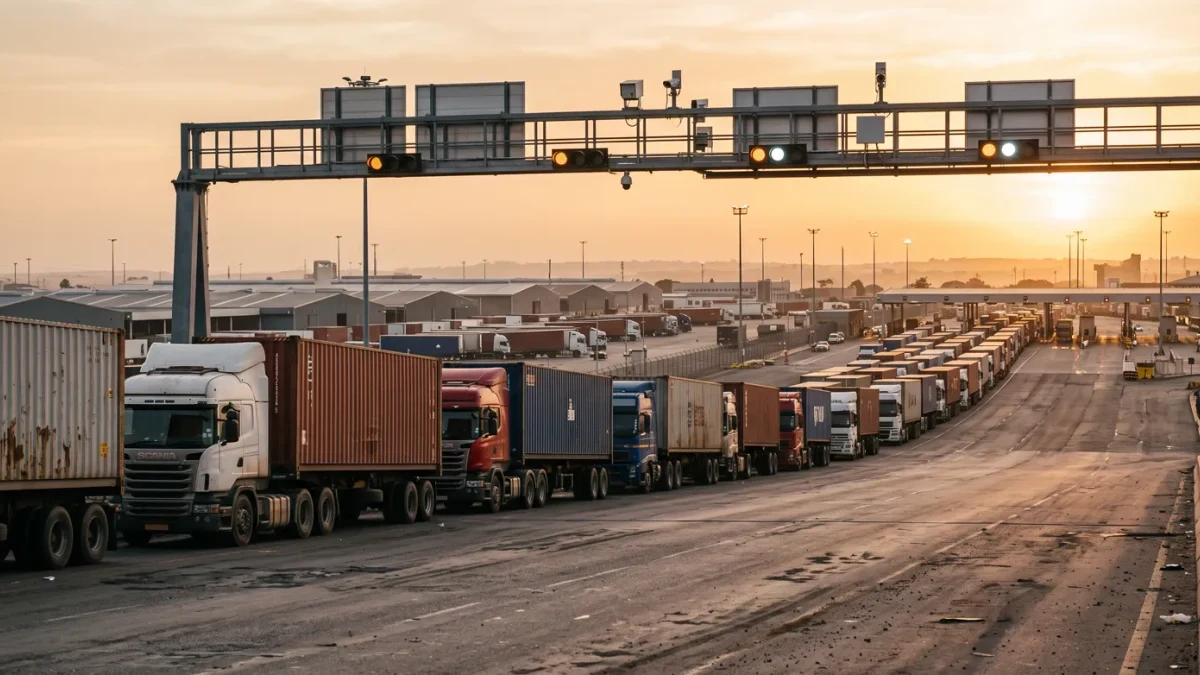
Nearshoring to Mexico means U.S. companies moving production and sourcing from Asia to North America — a shift that made Mexico the United States' largest goods-import source, ahead of China, a position it has held since 2023 per U.S. Census trade data — and for small suppliers it cuts both ways: shorter lead times and USMCA duty-free access on one side, stricter rules-of-origin paperwork and capacity competition on the other. The trend's drivers are durable: tariff differentials, freight volatility on trans-Pacific lanes, and the inventory math of just-in-time production favoring suppliers days away by truck rather than weeks away by sea. This article explains what the shift means operationally for small firms on both sides of it.
What Does USMCA Actually Require?
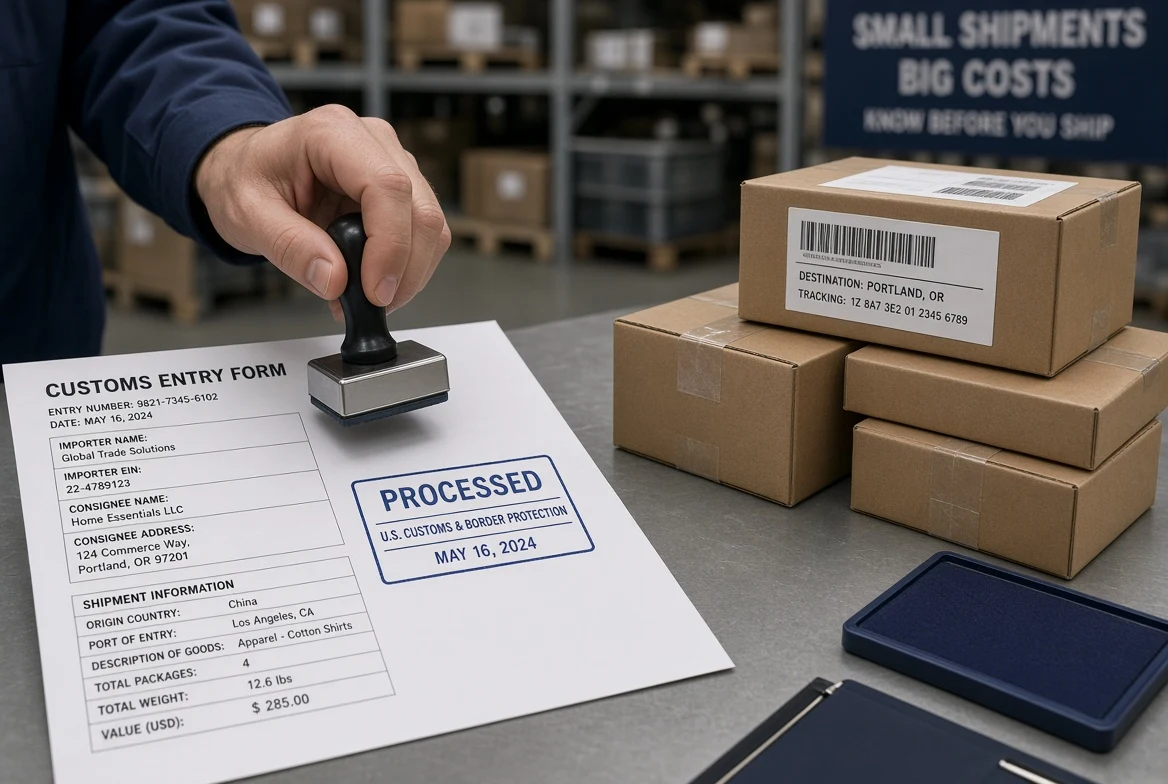
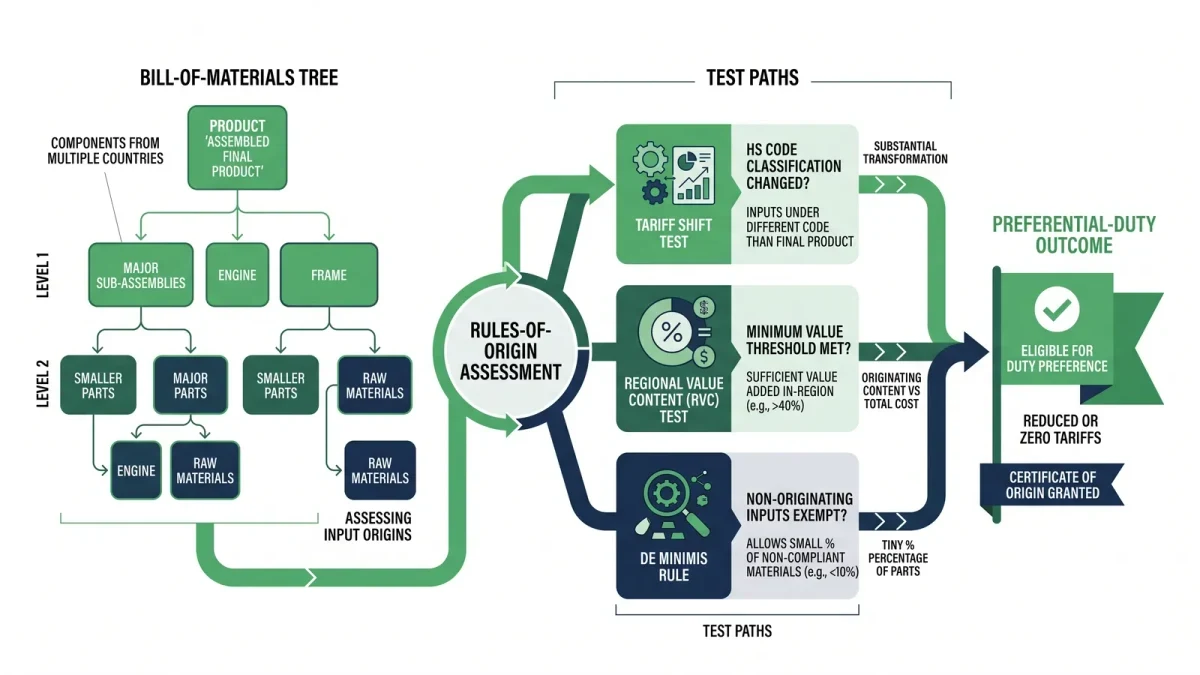
The United States-Mexico-Canada Agreement replaced NAFTA in 2020, and its benefit — duty-free treatment for qualifying goods — depends on rules of origin: the product must be sufficiently North American, measured by tariff-shift tests or regional-value-content minimums that vary by product chapter. For a small U.S. supplier selling components into a Mexican assembly operation, the practical question is whether its inputs let the finished good qualify; if not, the customer pays the non-preferential rate anyway, and the supplier's Mexico advantage shrinks. Certification under USMCA moved from the old certificate format to a certification of origin that may take several forms — the exporter, producer, or importer can issue it with nine required data elements. Suppliers signing certifications they have not verified against their own bills of material are accepting liability for the customer's duty position, which is why the paperwork discipline matters as much as the price.
Why Do Lead Times Change the Small-Supplier Pitch?
The operational case for North American supply is time: trucking from Monterrey or Ciudad Juárez to U.S. plants takes days, versus five-plus weeks of ocean transit plus port dwell from East Asia. For customers, that converts inventory from a forecast bet into a replenishment decision — less safety stock, faster response to demand swings, and easier engineering changes. A small supplier that can promise three-day replenishment competes on working capital, not just unit price: the customer's landed cost includes carrying cost, obsolescence risk, and expedite fees that Asian supply hides inside occasional air-freight emergencies. Making that pitch requires the supplier to actually hold the capability — border-crossing logistics, customs bonds for frequent entries, and the broker relationships that keep trucks moving through crossings whose wait times vary by the hour.
What Are the Risks and Burdens?
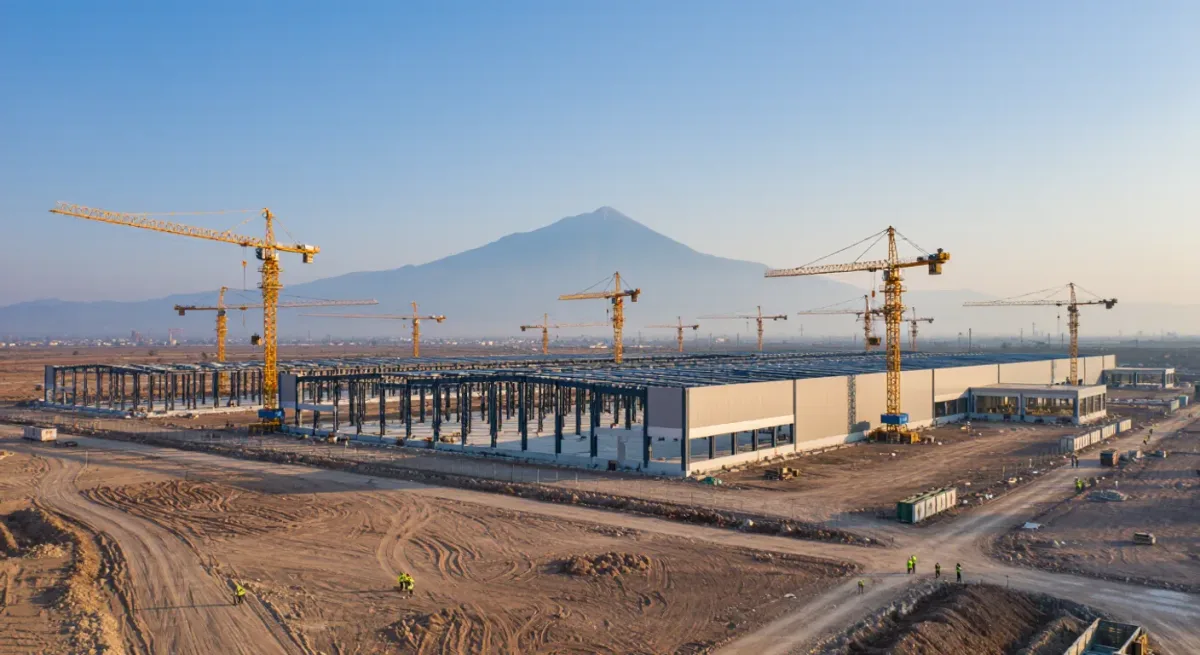
Nearshoring's costs are concrete. Rules-of-origin compliance adds documentation and traceability work, and some inputs simply cannot be sourced regionally at competitive cost, capping qualification. Mexico's industrial real estate and labor markets have tightened around the influx, raising costs for suppliers setting up local operations. Currency exposure exists but is milder than trans-Pacific pricing in a different currency regime. And the policy environment can move: trade-remedy actions and reviews periodically reshuffle duty treatment, so suppliers should model duty scenarios rather than assume today's rules indefinitely. On the U.S. side, suppliers displaced by a customer's own move to Mexico can respond by following the customer — supplying the new Mexican plant from the U.S. — which is itself the oldest nearshoring play in the book.
How Should a Small Supplier Approach It?
Three steps fit a small firm's budget. First, run the qualification math: product-by-product, whether USMCA rules are met with current inputs, and what input substitution would buy. Second, build the border muscle before quoting it: a broker, a crossing plan, bonded arrangements appropriate to frequency, and realistic transit commitments. Third, sell the total landed cost, with the inventory and responsiveness numbers the customer's own finance team will recognize. The lesson of the shift so far: proximity is a product feature like any other — small suppliers who can certify it, deliver it, and price it honestly are winning business the ocean lanes used to hold.