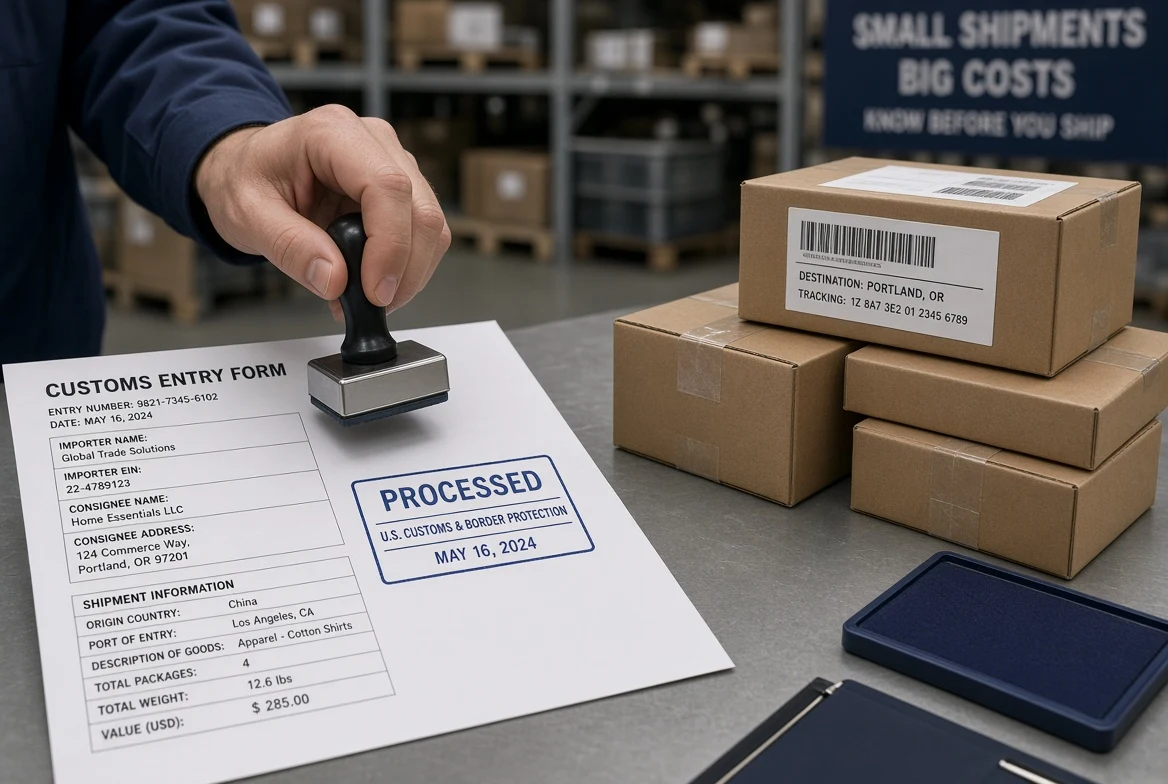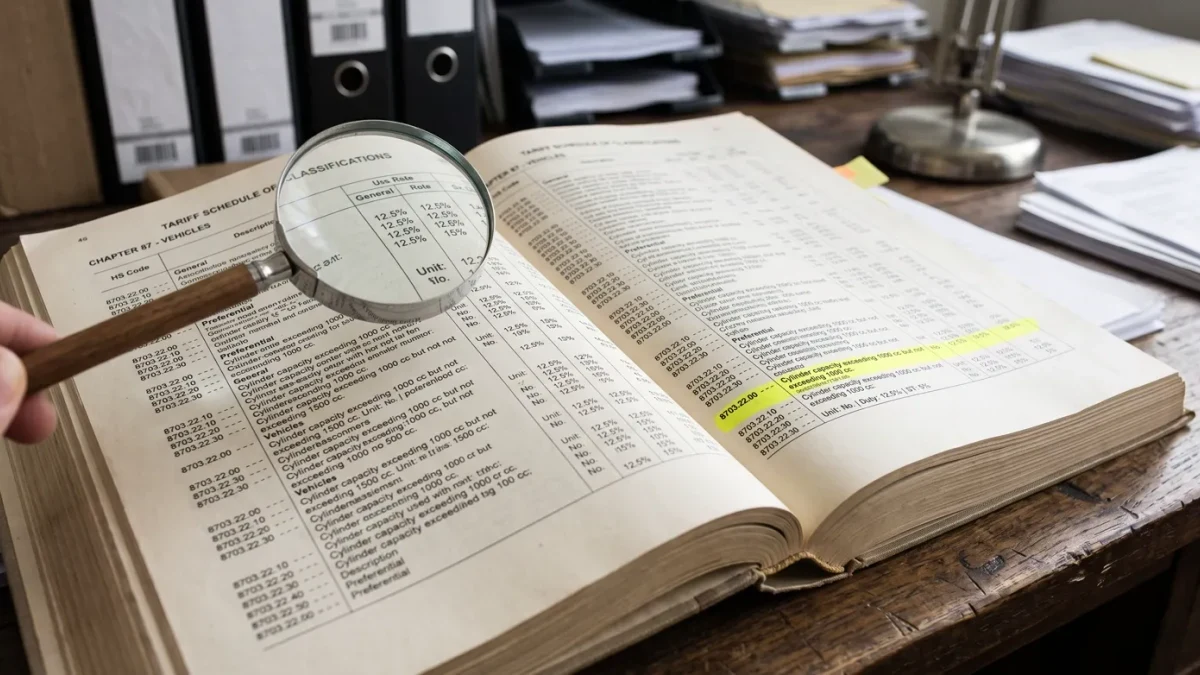
An HS code — the Harmonized System classification identifying your product to customs authorities — determines the duty rate a shipment pays, whether it qualifies for free-trade preference, whether additional tariffs apply, and whether enforcement agencies single it out; a wrong code means paying the wrong amount on every entry until someone catches it. The World Customs Organization's six-digit Harmonized System is used by more than 200 jurisdictions, with each country extending it to eight or ten digits for national tariff and statistical purposes. For importers and exporters alike, classification is the input from which most cost and compliance flows. This article explains how the system works and how small traders get it right.
How Does the Number Itself Work?
The code is hierarchical, reading from general to specific. The first two digits identify the chapter (the material or industry family), the first four the heading, and the first six the international subheading — the level where WCO harmonization ends and every country's schedule looks the same. The remaining digits are national: in the United States, the ten-digit Harmonized Tariff Schedule (HTS) line determines the actual duty rate and whether the product carries additional duties or is duty-free. A ceramic mug is classifiable at the six-digit level everywhere, but its tenth digit decides its specific U.S. rate — and similar-looking products can sit lines apart with meaningfully different duty.
How Do You Classify a Product Correctly?
Classification follows the HTS's own legal rules — the General Rules of Interpretation — which govern multiple-function products, incomplete goods, mixtures, and sets. The working method is straightforward: read the chapter and section notes first, because they override everything; find the heading that most specifically describes the product's essential character; then descend the subheadings comparing branches honestly. The classic errors run the other way: choosing the branch with the lower rate and hoping, classifying by what the product is used for rather than what it is, and copying a supplier's code without checking — suppliers abroad classify for their own exports, not for U.S. import entries. Importers uncertain of a code can request a binding ruling from U.S. Customs and Border Protection, which fixes classification for future entries and eliminates guesswork for the cost of an application.
Why Does the Code Move Money Beyond the Base Rate?
The same ten digits are the lookup key for everything layered on top of the base tariff: preferential rates under free trade agreements, which apply only to goods classifiable in eligible lines; additional duties, including retaliatory tariffs on specific HTS lines from named countries; Section 301 China tariff lists, which are published as lists of HTS codes; antidumping and countervailing duty orders, keyed to specific products; and quota and licensing regimes. A shipment classified one line off can miss a preference it deserved or land on a list it should have avoided — in either direction, an expensive error multiplied across entries. Classification also drives the merchandise-processing and compliance scrutiny applied at entry: certain codes draw Food and Drug Administration review, consumer-product safety review, or other agency attention built into the entry process.
What Happens When the Code Is Wrong?
Customs treats the importer of record as responsible for the entry's accuracy regardless of who supplied the code. If CBP later reclassifies, the importer owes the duty difference — potentially with penalties if the error looks negligent or intentional, and with prior disclosure available to cap exposure when the importer self-reports. Post-summary corrections and protests are the formal channels for fixing past entries. The defensive practices are simple: document the classification rationale at first entry, use binding rulings for judgment calls, audit the codes quarterly against actual products, and have a broker review any product whose description and code drift apart. The lesson: the HS code is not paperwork about the shipment — it is the shipment's price tag and legal identity, and it deserves the same care as the invoice.