Global trade is the buying and selling of goods and services across national borders. A coffee roaster in Oregon buys beans from Colombia. A furniture maker in North Carolina sells chairs to a buyer in Germany. Every one of those crossings touches rules, paperwork, and costs that shape the final price you pay on the shelf.
This article answers three questions in plain terms. What does "global" actually mean in this context? What is a tariff, and who pays it? And why does a trade deficit keep showing up in headlines, and does it matter for your wallet? The answers are simpler than the debates around them suggest.
Start with the word itself. According to The Free Dictionary, "global" means relating to or involving the entire earth, or worldwide in scope. Global trade, then, is simply commerce that crosses the whole world rather than stopping at one country's edge. The mechanics behind it are local, concrete, and easy to follow once you see the parts.
What does global trade actually involve?
Every international shipment has three moving parts: a seller, a buyer, and a set of border rules between them. The seller produces the goods. The buyer wants them at a price that beats the domestic alternative. The border rules decide how easily the goods can move.
Those rules include customs paperwork, product standards, and duties. A single six-digit code classifies what a shipment contains, and that code drives the tariff rate applied to it. We covered that in detail in How HS Codes Decide What Your Shipment Costs. Get the code wrong, and the shipment can sit at the port while the bill grows.
Shipping itself is a market with its own swings. The cost of moving a container across an ocean rises and falls with demand, fuel prices, and port congestion. Those swings pass through to importers and, eventually, to shoppers. Our explainer on ocean freight rates breaks down what moves them.
What is a tariff, and who actually pays it?
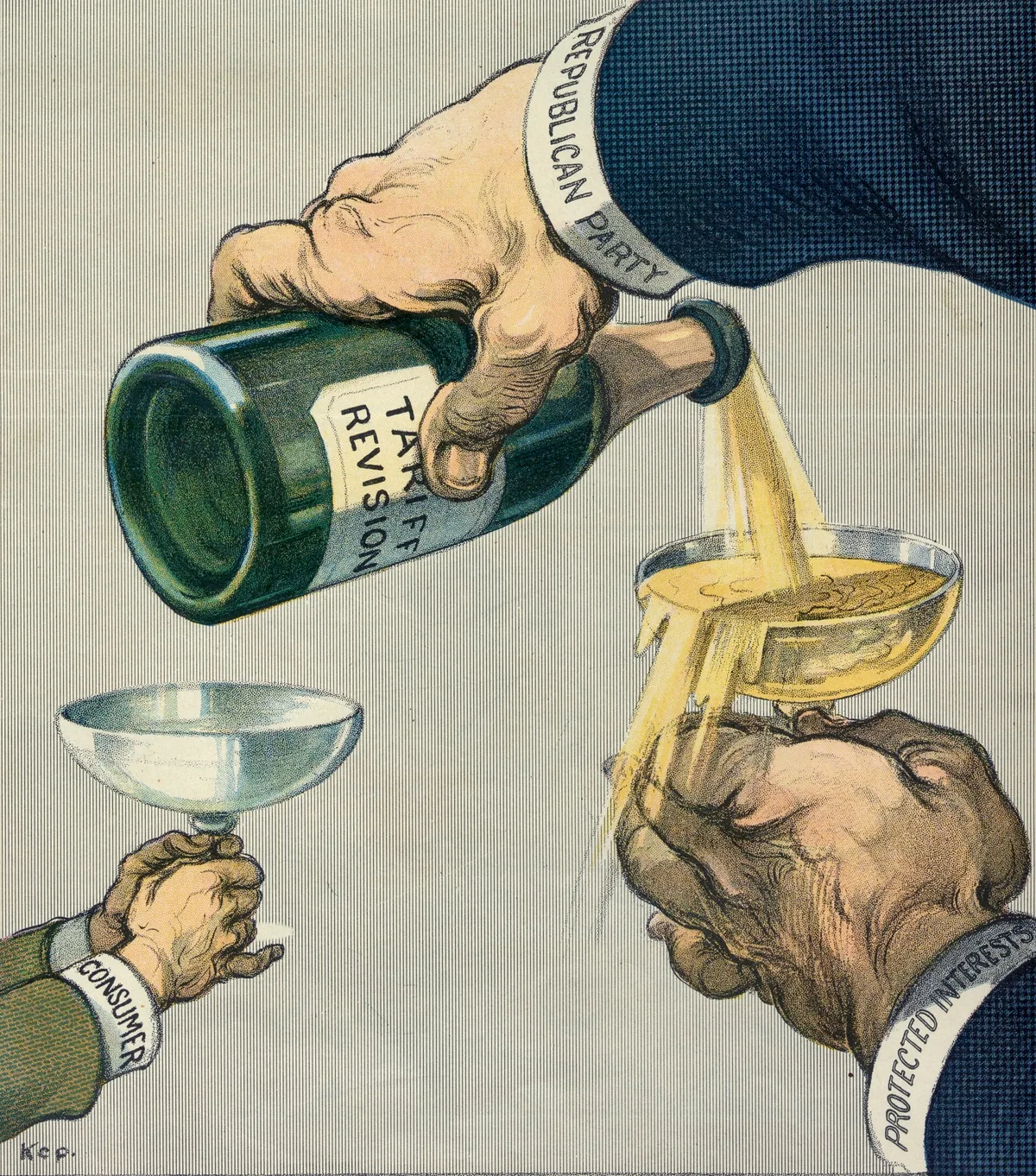
A tariff is a tax collected by a government on goods as they enter the country. It is usually a percentage of the shipment's declared value, though some tariffs are charged per unit instead. The importer of record pays the tax at the border.
Here is the part that matters for consumers: the importer rarely absorbs the full cost. Firms respond in a few ways. They raise prices. They switch suppliers to countries with lower duties. They absorb some of the cost and accept thinner margins. In practice, most do some combination of all three, and how much lands on the shopper depends on the product and the competition.
Tariff policy changes often, and small importers feel it first because they lack the buying power to renegotiate with suppliers. Recent shifts have been significant. Our coverage of Section 301 tariffs replacing Section 122 across 60 trading partners shows how quickly the rules can move. The end of the $800 de minimis exemption is another example: a threshold that once let low-value packages enter duty-free now generates real costs for small sellers.
One more wrinkle: trade agreements can lower or remove tariffs between partner countries. That is the whole point of deals like free trade agreements. For an exporter, the savings can be real, but they require the right paperwork, starting with a certificate of origin. See How Free Trade Agreements Lower an Export Bill for the mechanics.
What is a trade deficit, really?
A trade deficit means a country imports more goods and services than it exports over a period. The difference is negative on the ledger, which sounds alarming. But a deficit is a measurement, not a scoreboard. It says nothing on its own about whether the economy is strong or weak.
Think about a single household. If you buy more from your neighbors than you sell to them, you run a personal trade deficit. That might mean you have a problem, or it might mean you are wealthy enough to buy things you do not produce. Countries work the same way. A deficit can reflect strong consumer demand, a strong currency that makes imports cheap, or a deep investment position. It can also reflect lost competitiveness in some industries. The number alone does not tell you which.
Deficits also differ from bilateral balances. The United States can run a deficit with one country and a surplus with another in the same year. Headlines often quote the overall figure without that context, which is why the number gets misread so often.
Why do prices move when trade rules change?
Prices move because trade rules change the cost structure behind every imported product. A tariff adds a tax at the border. A currency swing changes what a dollar buys from a foreign supplier. Freight rates rise and fall. Each of these shifts lands on the importer's cost sheet, and import costs compete with everything else that sets a retail price.
Currency deserves special attention because it works quietly. When the dollar strengthens, foreign goods get cheaper for American buyers. When it weakens, the same shipment costs more dollars, even if the foreign price never changed. Our explainer on why the dollar matters everywhere walks through that channel, and a companion piece covers how a small exporter hedges currency risk.
Timing matters too. Importers order goods months before they hit shelves. A tariff announced today shows up in prices weeks or months later, once existing inventory sells through. That lag confuses consumers who expect an immediate effect and see none, or who see a price rise and blame the wrong cause.
What this means for small businesses
For a small importer or exporter, the practical takeaway is that border costs are manageable but never optional. The firms that handle them well do three things. They classify their goods correctly from the start. They track their landed cost, meaning the full price of getting goods to their door, not just the supplier's invoice. And they watch policy the way they watch their own books.
None of this requires a trade lawyer on retainer. It requires knowing which rules touch your product and checking them before each order, not after. The trade section of this site covers the individual pieces, from customs bonds to Incoterms, for owners who want to go deeper.
The honest conclusion is this: global trade is not a force that happens to businesses. It is a set of rules and costs that businesses can learn, plan around, and sometimes turn to their advantage. The deficit debate will continue in Washington regardless. On the shop floor, what matters is the landed cost, the tariff code, and the currency rate on the day you commit to an order.