Most businesses that reach their first 100 customers do it without spending on advertising, and the pattern repeats across industries: pick a group small enough to reach by name, solve one problem completely, and ask every early buyer for a referral. Data from the U.S. Small Business Administration shows the majority of new employer firms start with under $50,000 in startup capital as of 2025, which makes organic customer acquisition a survival skill, not a preference. This article explains how founders do it, step by step.
Why Does Niche Targeting Come First?
The single most common early mistake is defining the market too broadly. A founder selling accounting software to "small businesses" competes with everyone; a founder selling bookkeeping cleanup to " Shopify sellers who fell behind on sales tax" competes with almost no one for attention. Narrowing works because it makes outreach possible: a group you can name is a group you can find. Founders who win their first customers typically describe their initial market in terms of a specific occupation, platform, or neighborhood — a niche of a few thousand prospects at most — and expand only after the first hundred buyers prove the pitch.
What Does Direct Outreach Actually Look Like?
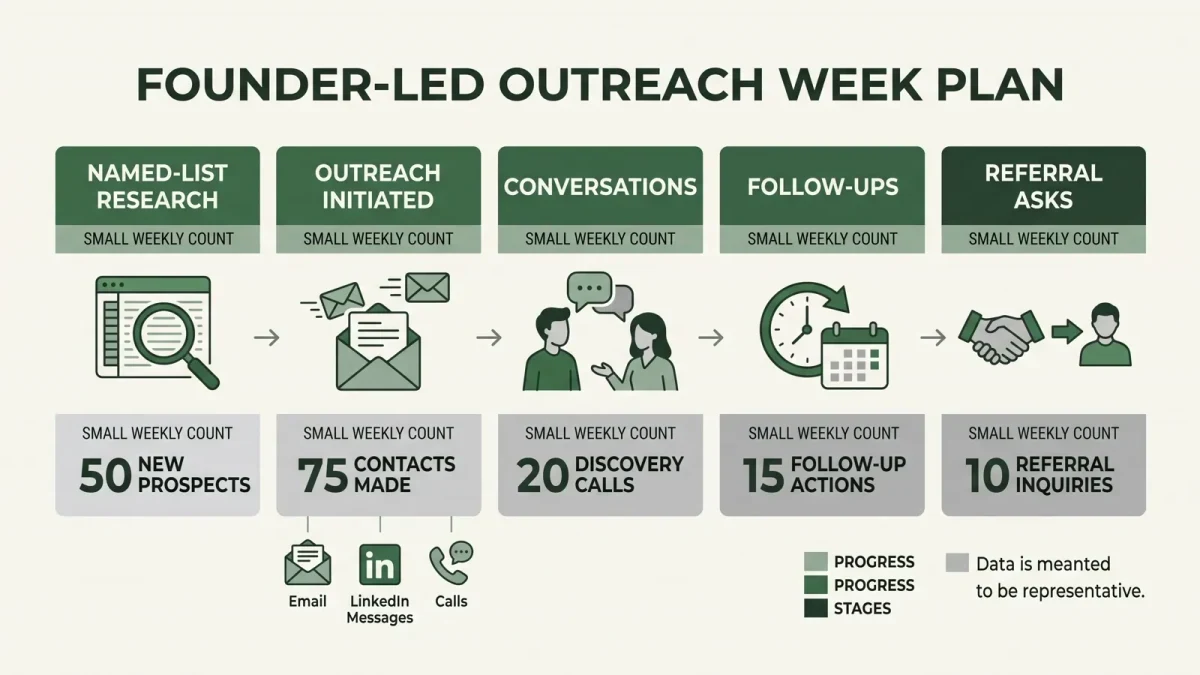
Direct outreach remains the fastest path to the first ten paying customers, and it is free apart from time. The mechanics that work, repeatedly documented in founder accounts, are simple:
- Build a list of 100 named prospects in the niche — from directories, membership rosters, or public marketplaces.
- Contact them one at a time, personalized, referencing something specific about their business.
- Lead with a question about the problem, not a pitch for the product.
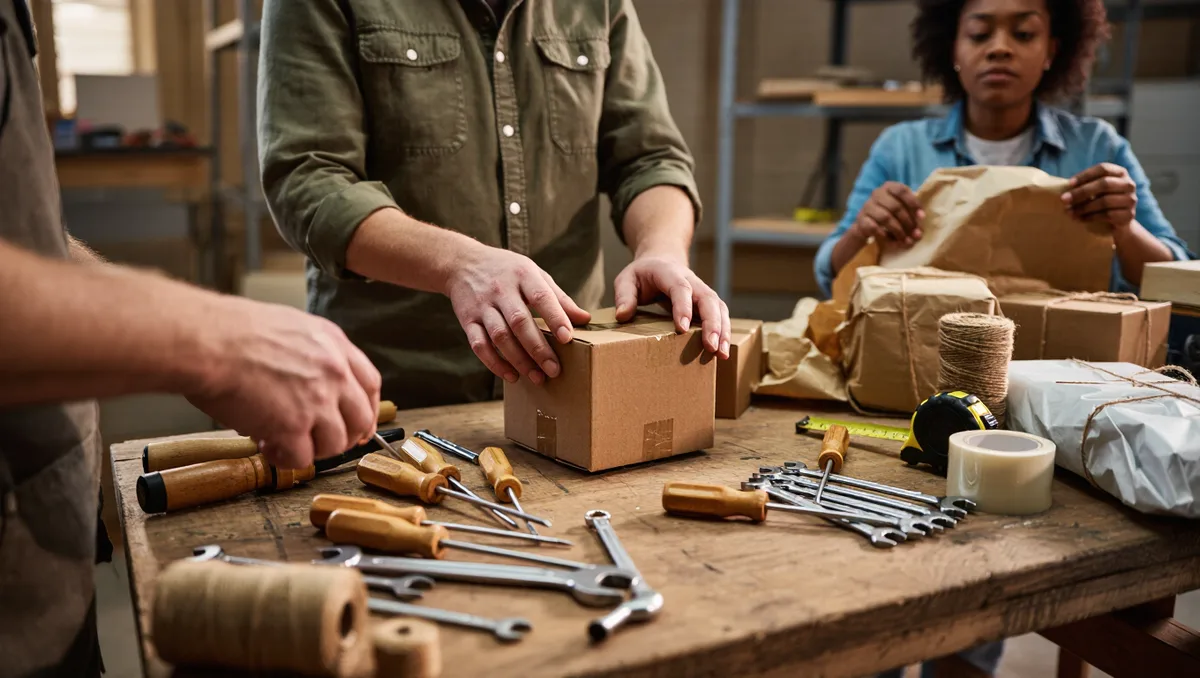
- Offer to do the work manually for the first few customers before any software or system exists.
The last point matters most. Doing the service by hand — sometimes called concierge onboarding — turns conversations into revenue within days and teaches the founder what customers will actually pay for before anything is built at scale.
Where Do Free Distribution Channels Pay Off?
Beyond one-to-one outreach, three channel families consistently deliver free early customers. First, communities: trade forums, subreddits, Facebook groups, and local business associations reward founders who answer questions helpfully for weeks before ever mentioning their product. Second, content: a narrow how-to article that solves one expensive problem can pull search traffic for years, and Google's own guidance for small sites has long emphasized useful, specific content as the basis for ranking. Third, partnerships: a complementary business with the same customers — a web designer referring a copywriter, an accountant referring a bookkeeper — creates a referral channel that costs nothing but reciprocity.
Founders should pick one channel and work it for at least sixty days before adding a second. Splitting ten hours a week across four channels produces shallower presence than forty hours in one, which is the difference between being known in a community and being invisible in four.
How Do Referral Loops Get the First 100?
The first ten customers come from outreach; the next ninety come largely from those ten. The discipline is asking, on the record: after a successful delivery, request a referral to one specific person, not "anyone you know." Founders who ask for one named introduction report meaningfully higher referral rates than those who send generic requests, because the customer does not have to decide who fits — they just have to remember one name. A simple second incentive, such as a discount or free month for both parties, raises response further, though the ask itself does most of the work.
What Should Founders Measure at This Stage?
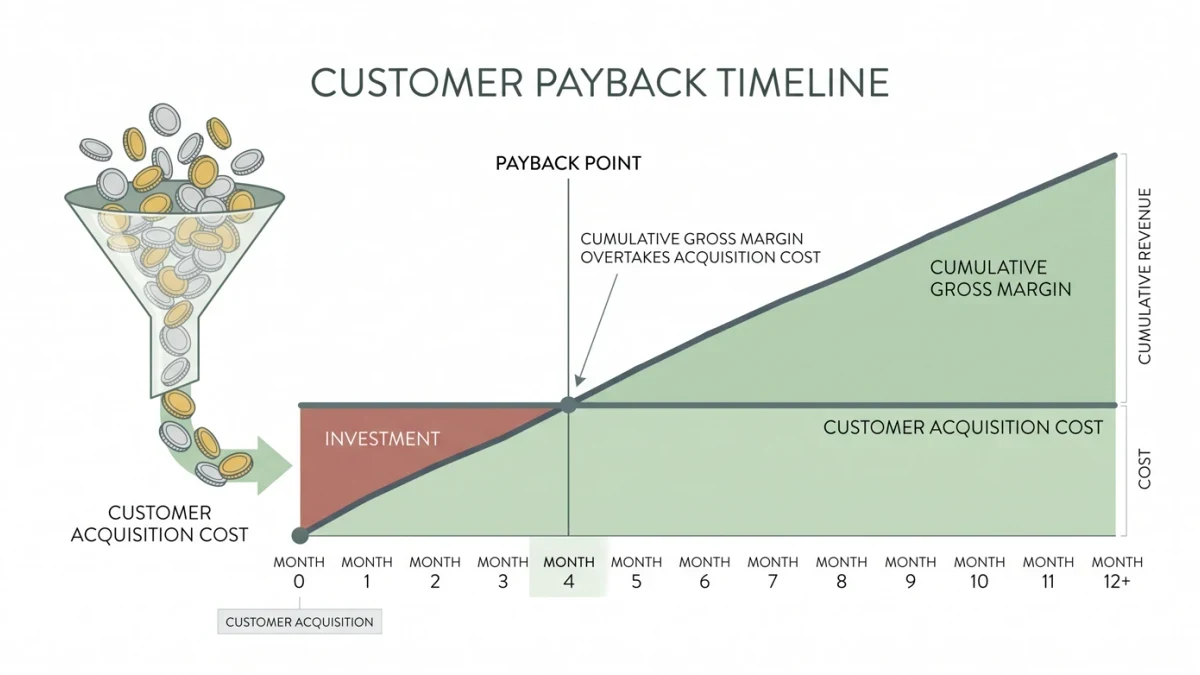
Three numbers are enough: outreach sent, conversations held, and customers won. The conversion between them tells the founder which end of the funnel leaks — a low reply rate means the list or the opening line is wrong; a high reply rate with few sales means the offer or price is wrong. Revenue per customer matters more than customer count after the first fifty, because a hundred customers at $5 a month is a hobby and ten at $500 a month is a business. When the funnel stabilizes, paid ads become a way to accelerate a working machine rather than a substitute for building one.
The lesson in every documented version of this story is the same: the first hundred customers are won manually, personally, and narrowly — and the systems that scale come after, not before.